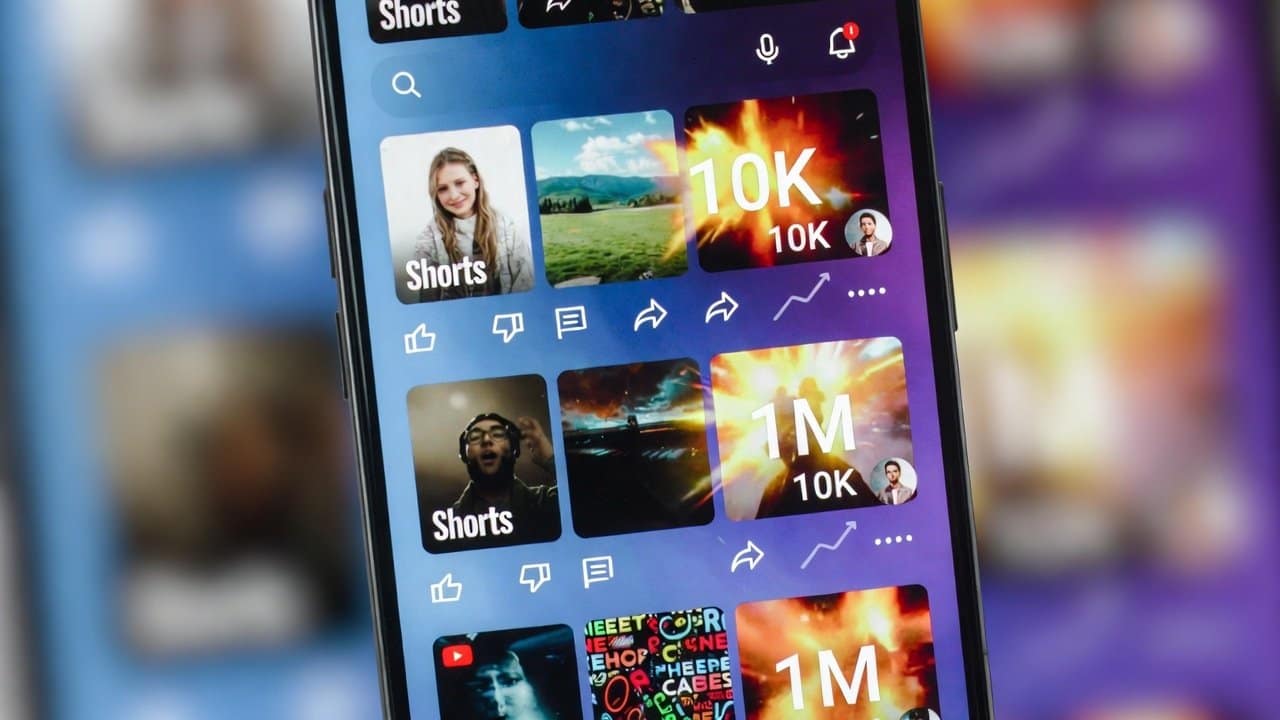
Imagine uploading a 15-second video and watching it explode to millions of views overnight. That’s the power of YouTube Shorts in 2026—but only if you understand the algorithm driving those views.
In early 2026, YouTube Shorts algorithm 2026 continue to dominate short-form video, averaging massive daily views while evolving with updates focused on viewer satisfaction, retention, and smarter personalization. The platform’s algorithm has shifted toward long-term engagement over quick spikes, making it tougher for generic content but rewarding creators who truly hook and hold audiences.
Whether you’re a beginner chasing your first 1,000 subscribers or an established creator aiming to scale AdSense revenue, mastering the Shorts algorithm is your fastest path to growth. This guide breaks down exactly how it works today, the key 2025-2026 changes, and proven, actionable strategies to make the algorithm push your content hard.
By the end, you’ll have a clear roadmap to create addictive Shorts, boost watch time, and turn views into real earnings—including AdSense monetization and affiliate opportunities.
What Is the YouTube Shorts Algorithm 2026?
The YouTube Shorts algorithm is a separate recommendation system from the main long-form video algorithm. It powers the vertical Shorts feed, home page recommendations, search suggestions, and notifications.
Unlike long videos where users actively search or click, Shorts rely on passive swiping. The algorithm decides what appears next based on real-time user behavior.
Core goal: Maximize viewer satisfaction by showing content people want to watch, rewatch, like, comment on, share, and use to extend their session time on YouTube.
In 2026, the algorithm emphasizes:
- Personalization — Tailored to each user’s watch history, skips, and interactions.
- Retention over raw views — How long people stay matters more than sheer volume.
- Channel-level signals — Consistent performance across your Shorts builds trust for broader recommendations.
How the YouTube Shorts Algorithm 2026 Works: The Explore → Exploit Phases
The Shorts algorithm uses a two-phase “explore and exploit” model:
- Explore Phase Your new Short gets pushed to a small “seed audience”—a targeted group YouTube thinks will like it based on your past content, niche, and metadata. This phase tests performance quickly (often within hours). Key metrics watched:
- Viewed vs. swiped away rate (how many people watch instead of skipping)
- Average view duration / completion rate (rewatches count heavily)
- Engagement signals (likes, comments, shares, saves)
- Early drop-off (first 1-3 seconds are critical)
- Exploit Phase If the seed audience engages strongly, the algorithm “exploits” success by pushing to larger, similar audiences. Views snowball. High performers can reach millions as the system promotes them across feeds. Poor performance? Distribution stops fast—no second chances without changes.
This differs from long-form, where impressions build slowly. Shorts get rapid testing, so first impressions matter enormously.
Key Ranking Factors for YouTube Shorts in 2026
Here are the signals the algorithm prioritizes most in 2026:
- Viewer Retention & Watch Time The #1 factor. Shorts with high completion rates (people watching to the end or looping) win big. Aim for 70%+ average view duration. Early hooks prevent swipes.
- Engagement Metrics Likes, comments, shares, and saves tell YouTube your content resonates. Comments especially boost visibility—prompt questions or debates.
- Session Time Contribution Does your Short keep people on YouTube longer (swiping to more Shorts or jumping to long videos)? Positive signals amplify reach.
- Relevance & Personalization Metadata (title, description, hashtags) + content match user interests. Trending audio, topics, and challenges help initial discovery.
- Upload Consistency & Velocity Frequent posting (3-7 Shorts/week) signals an active channel. Recent uploads get priority in some cases.
- Negative Signals High swipe-away rates, “not interested” clicks, or low satisfaction hurt future distribution.
In 2026, retention plays a bigger role in monetization eligibility and recommendations than ever.
Major YouTube Shorts Updates Impacting 2026
Several changes from late 2025 carry into 2026:
- View Counting Update (March 2025 onward): Any Short that starts playing or replays counts as a view—no minimum watch time required. This inflates raw views but makes retention even more critical for real algorithmic push.
- Extended Length Limit: Up to 3 minutes for Shorts, allowing more storytelling while keeping vertical format.
- Search Filter Changes (January 2026): Users can now exclude Shorts from search results via a dedicated filter. This reduces Shorts clutter in long-form searches but keeps the dedicated Shorts feed strong.
- Focus on Viewer Satisfaction: Algorithm prioritizes long-term habits over short spikes. Consistent, satisfying content builds channel authority.
- Multi-Format Integration: Strong Shorts performance boosts long-form and live recommendations.
These updates reward quality over quantity hacks.
Proven Strategies to Beat the YouTube Shorts Algorithm 2026
1. Nail the First 1-3 Seconds (Hook Formula)
Viewers decide to stay or swipe instantly.
Powerful hooks:
- Bold question (“Struggling with X?”)
- Shocking fact/stat
- Visual surprise (quick cut, zoom, text overlay)
- Promise clear value (“How I made $X in Y days”)
Test 5-10 variations per concept.
2. Maximize Retention with Structure
Use this framework for 15-60 second Shorts:
- 0-3s: Hook
- 3-10s: Build interest (problem or teaser)
- 10-50s: Deliver value (tips, story, demo)
- Last 5s: Strong CTA + loop tease (encourage rewatch)
Add text overlays, captions, and fast pacing.
3. Leverage Trending Elements Ethically
- Use popular sounds/tracks
- Jump on challenges/topics early
- Remix viral formats with your unique spin
Avoid over-relying—originality wins long-term.
4. Optimize Titles, Descriptions, and Hashtags
- Titles: Benefit-driven + curiosity (e.g., “This Changed My Channel Forever #Shorts”)
- Descriptions: Include keywords, timestamps if longer, links, and calls to subscribe
- Hashtags: 3-5 relevant (#YouTubeTips, #ShortsGrowth, niche-specific)
5. Post at Peak Times & Consistently
Analyze YouTube Analytics for audience online times.
Post 3-7x/week. Batch-create to maintain velocity without burnout.
6. Drive Engagement Actively
End with questions: “Which tip worked for you?”
Reply to comments quickly—algorithm loves interaction.
7. Use Shorts to Fuel Long-Form Growth
Repurpose long videos into Shorts (no penalty).
Strong Shorts audience → higher long-form watch time → better overall monetization.
DaVinci Resolve vs Premiere Pro for YouTube: Which Editor Wins in 2026?
8. Analyze & Iterate Relentlessly
Check Shorts analytics daily:
- Retention graphs
- Traffic sources
- Replayed views
Double down on winners, fix drop-offs.
How to Monetize YouTube Shorts in 2026 (AdSense + More)
To earn from AdSense:
- Join YouTube Partner Program (YPP): 1,000 subs + 10M Shorts views in 90 days (or 4,000 watch hours on long-form).
- Shorts Fund evolved into revenue share from ads in Shorts feed.
Additional streams:
- Affiliate marketing (e.g., tools, courses)
- Sponsorships
- Digital products
For more creator tips and writing resources, subscribe to my newsletter—weekly insights delivered straight to your inbox.
Read More-Best AI Video Editor for YouTube Shorts in 2026 (Top Tools Compared)
How to Fix 0 Views YouTube Shorts in 2026: Complete Step-by-Step Guide
DaVinci Resolve vs Premiere Pro for YouTube: Which Editor Wins in 2026?
Common Objections & Answers
“Shorts killed my long-form views.”
Not true—strong Shorts often feed long-form. Use them as teasers.
“Algorithm hates small channels.”
Seed audience targets niches. Consistency beats size initially.
“I post daily but no growth.”
Quality > quantity. Focus on retention, not volume.
Conclusion & Next Steps
The 2026 YouTube Shorts algorithm rewards creators who prioritize viewer satisfaction, strong hooks, high retention, and consistent value.
Implement these strategies:
- Craft killer hooks
- Optimize for full watches
- Analyze data weekly
- Combine Shorts with long-form
- Monetize smartly
Start today—upload one optimized Short using the framework above.
Growth compounds. Your next viral hit could be one upload away.
Check out more of my writing:
TAMZIDUL HAQUE 🖋️Writer —
https://tamzidulhaque.com/ | https://medium.com/@tamzidulhaque
https://writers-hive.beehiiv.com/ | https://substack.com/@haquetalks
FAQ: Most Asked Questions About YouTube Shorts Algorithm 2026
How does the YouTube Shorts algorithm work in 2026?
It uses an explore-exploit model: tests on small audience, then scales if engagement is strong. Prioritizes retention, watch time, and satisfaction signals.
What changed in the YouTube Shorts algorithm in 2026?
Stronger focus on viewer satisfaction, retention for monetization, search filters to exclude Shorts, and continued emphasis on session time.
How many views do I need to monetize Shorts in 2026?
Typically 10 million valid public Shorts views in last 90 days + 1,000 subscribers for YPP eligibility.
Do longer Shorts (up to 3 minutes) perform better?
They can—if retention stays high. Focus on value, not length.
Why do my Shorts get views then suddenly stop?
Likely failed explore phase due to low retention/engagement. Improve hooks and pacing.
Can I repost old Shorts?
Yes, but fresh content gets priority. Refresh with new hooks/audio.
How important are hashtags for Shorts in 2026?
Helpful for discovery but secondary to content quality and retention.