
In today’s volatile economy—with silver prices surging past $75 per ounce and warnings of hyperinflation—millions still seek guidance from one groundbreaking book: Rich Dad Poor Dad.
Its author, Robert Kiyosaki, revolutionized personal finance by challenging conventional wisdom about money, work, and wealth.
This in-depth guide explores Kiyosaki’s life, the origins of his bestselling book, key teachings, controversies, and why his advice remains essential in late 2025. Whether you’re new to financial literacy or refining your investment strategy, discover how Kiyosaki’s principles can help you build lasting wealth.
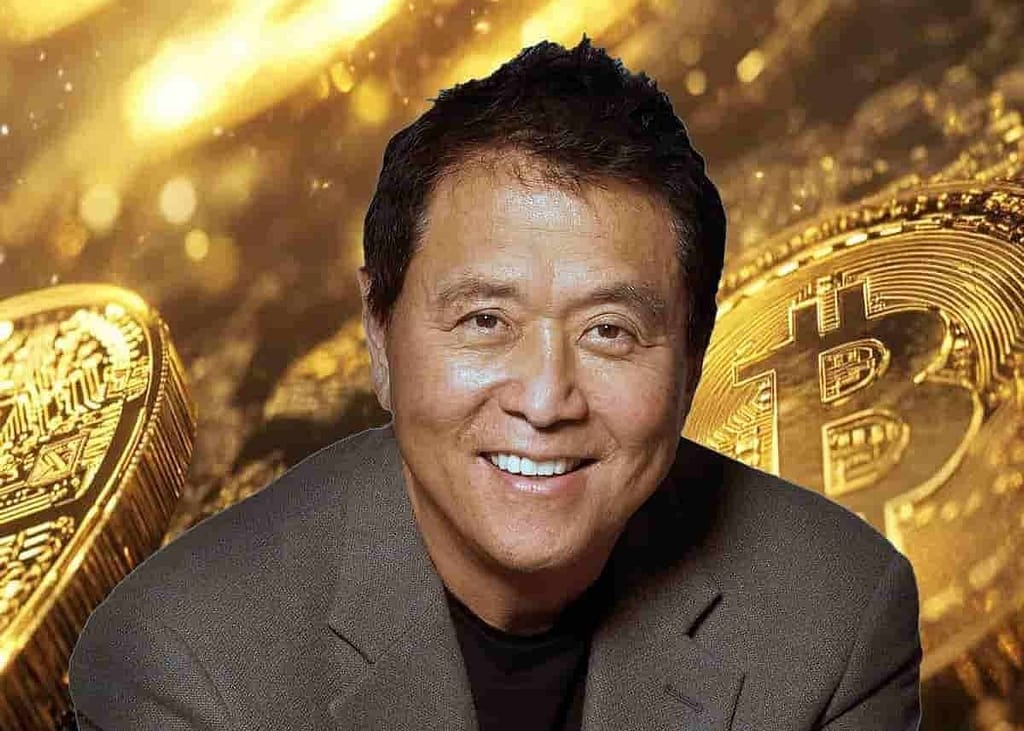
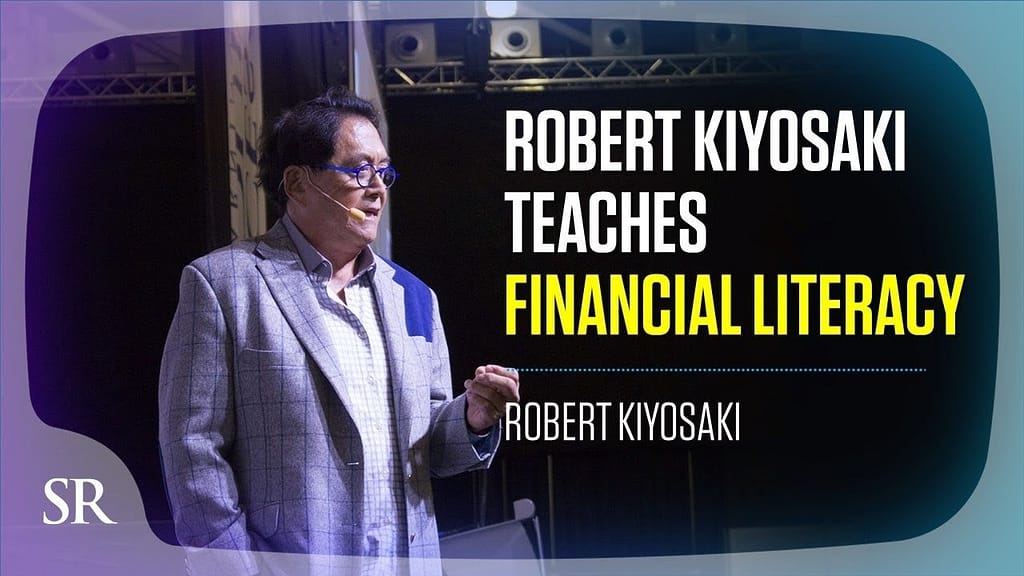
Who Is the Author of Rich Dad Poor Dad?
Robert Toru Kiyosaki, born April 8, 1947, in Hilo, Hawaii, wrote Rich Dad Poor Dad. This Japanese-American entrepreneur, investor, and educator co-authored the book with Sharon Lechter in 1997.
Kiyosaki’s story contrasts two father figures:
- Poor Dad: His biological father, a highly educated Ph.D. holder and Hawaii’s head of education, who prioritized job security and formal schooling but faced financial struggles.
- Rich Dad: His best friend’s father (later identified as Hawaiian developer Richard Kimi), a high school dropout who built wealth through business and investing.
These contrasting mindsets form the book’s core narrative.
Early Life and Career Path
Kiyosaki graduated from the U.S. Merchant Marine Academy in 1969 and served as a Vietnam War helicopter pilot, earning an Air Medal.
Post-military, he worked in sales at Xerox, then launched entrepreneurial ventures:
- A Velcro wallet company (failed)
- Rock band merchandise business (led to bankruptcy)
These failures taught resilience. In the 1980s-1990s, he founded financial education companies. In 1997, he launched Cashflow Technologies, Inc., home to the Rich Dad brand.
As of December 2025, Kiyosaki remains active on social media, predicting economic shifts and advocating for silver (potentially reaching $200 by 2026), gold, and Bitcoin.
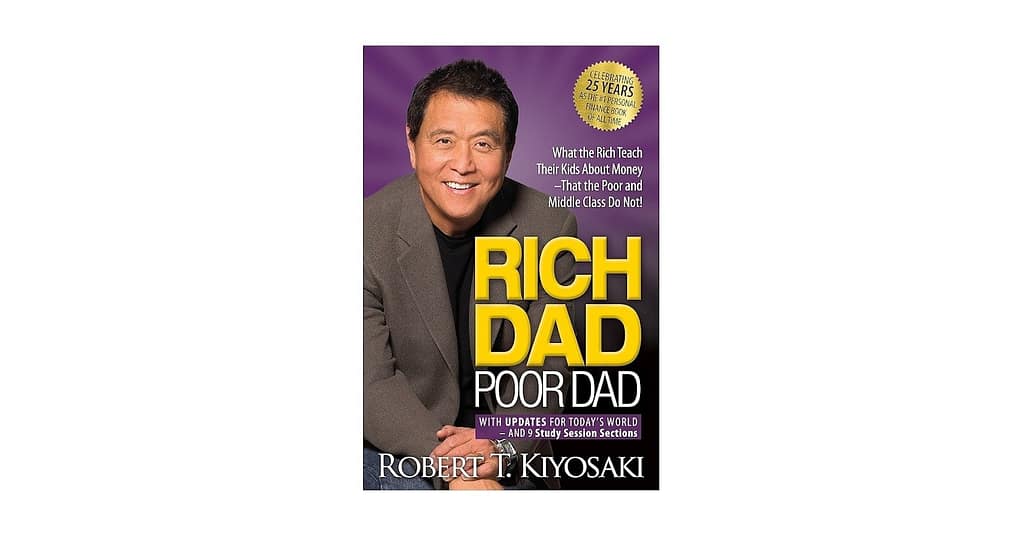
Amazon.com: Rich Dad Poor Dad: What the Rich Teach Their Kids …
His estimated net worth hovers around $100-105 million, fueled by royalties, real estate, and investments—though he openly discusses strategic debt exceeding $1 billion.
The Book That Started It All: Rich Dad Poor Dad
Self-published in 1997, Rich Dad Poor Dad has sold over 40 million copies, topping bestseller lists for years and translated into dozens of languages. It remains a top personal finance title on Amazon in 2025.
The book uses Kiyosaki’s childhood stories to contrast “Poor Dad’s” traditional advice (get a good job, save money) with “Rich Dad’s” entrepreneurial approach.
Core Lessons from Rich Dad Poor Dad
Kiyosaki’s principles challenge the rat race:
The Rich Don’t Work for Money
- Fear and greed keep people trapped in jobs. Learn to make money work for you.
Assets vs. Liabilities
- Assets put money in your pocket (e.g., rentals, stocks). Liabilities take it out (e.g., cars, big homes).
Financial Education Matters Most
- Schools ignore money management. Self-educate on accounting, investing, and taxes.
Mind Your Own Business
- Build your asset column, not just a paycheck.
Use Good Debt
- Leverage debt to acquire income-producing assets.
Overcome Fear and Cynicism
- Calculated risks and learning from mistakes drive wealth.
Kiyosaki created the CASHFLOW board game to reinforce these ideas through play.
Kiyosaki’s Empire: Books, Games, and Ongoing Teachings
Kiyosaki has written or co-authored over 26 books, many in the Rich Dad series:
- Rich Dad’s Cashflow Quadrant (1998): Explores Employee, Self-Employed, Business Owner, and Investor income sources—advocating shifts to B and I for freedom.
- Rich Dad’s Guide to Investing (2000): Strategies using debt and diverse assets.
- Why the Rich Are Getting Richer (2017): Modern updates on taxes and technology.
Notable co-authorships include books with Donald Trump.
In 2025, Kiyosaki emphasizes precious metals amid silver’s 140%+ gains and warns of crashes, while supporting Bitcoin despite volatility.
15 Powerful Robert Kiyosaki Quotes for 2025
- “The rich don’t work for money. They make money work for them.”
- “Assets put money in your pocket. Liabilities take money out.”
- “Financial education is the key to financial freedom.”
- “It’s not how much money you make, but how much you keep.”
- “The poor and middle class work for money. The rich have money work for them.”
- “Winners are not afraid of losing. Losers are.”
- “Your mind is your most powerful asset.”
- “Intelligence solves problems and produces money.”
- “Mistakes are how we learn.”
- “The richest people build networks.”
- “You’re only poor if you give up.”
- “Complaining is worthless—do something.”
- “Develop your vision for the future.”
- “Silver is just getting started.” (2025 context)
- “Learn from wins and losses to become rich.”
Controversies Surrounding Robert Kiyosaki
Kiyosaki faces criticism:
- Fictional “Rich Dad”: Initially presented as real, later revealed as a composite (inspired by Richard Kimi).
- Company Issues: Rich Global LLC bankrupt in 2012 after royalty disputes.
- Seminars: Accused of aggressive upselling over education.
- Advice Risks: Promoting debt and dismissing traditional saving/investing as dangerous for novices.
- Personal Claims: Boasts of massive debt as “good debt.”
Defenders note the book’s motivational value and alignment of core ideas (assets, education) with proven strategies. Millions credit it with sparking their wealth journey.
Applying Kiyosaki’s Lessons in Late 2025: Practical Guide
Implement these steps amid current markets:
Step 1: Assess Your Finances
- List assets vs. liabilities.
- Track cash flow.
Step 2: Build Mindset and Education
- Read the book and play CASHFLOW.
- Study markets independently.
Step 3: Invest in Assets
- Real estate for passive income.
- Precious metals (silver/gold surging in 2025).
- Crypto as hedge.
Step 4: Use Leverage Wisely
- Good debt for income assets.
Step 5: Monetize Your Knowledge
Share finance insights via a blog. Use reliable hosting like Hostinger for fast, AdSense-friendly sites.
Sell digital products (e-books, courses) on platforms like Gumroad.
Read $100M Money Models Summary: Alex Hormozi’s Blueprint to Make More Money Faster in 2025
Conclusion: Why Robert Kiyosaki’s Message Resonates in 2025
Robert Kiyosaki, the visionary behind Rich Dad Poor Dad, shifted global thinking on wealth—from trading time for money to building passive streams.
In 2025’s uncertainty—with silver rallies and crash warnings—his focus on education, assets, and mindset empowers action.
Start small: Review your finances, acquire one asset, and commit to learning.
For deeper dives into writing, blogging, and finance, subscribe to my newsletter at Writers’ Hive.
TAMZIDUL HAQUE
Frequently Asked Questions (FAQ)
Who is the author of Rich Dad Poor Dad?
Robert T. Kiyosaki, often co-credited with Sharon Lechter.
When was Rich Dad Poor Dad published?
1997, initially self-published.
Is Rich Dad Poor Dad based on a true story?
Partially—”Poor Dad” is Kiyosaki’s real father; “Rich Dad” is a composite inspired by mentor Richard Kimi.
What is Robert Kiyosaki’s net worth in 2025?
Estimates range from $100-105 million, though he claims over $1 billion in strategic debt.
What are the main lessons in Rich Dad Poor Dad?
Distinguish assets from liabilities, prioritize financial education, build passive income, and make money work for you.
Why is Robert Kiyosaki controversial?
Criticisms include fictional elements, seminar practices, risky debt advice, and past company bankruptcy.
Does Kiyosaki still recommend Bitcoin in 2025?
Yes, as a hedge, despite volatility; he’s also bullish on silver potentially hitting $200 by 2026.
How many copies has Rich Dad Poor Dad sold?
Over 40 million worldwide.
Is Rich Dad Poor Dad worth reading in 2025?
Yes—its mindset principles remain timeless for building wealth.