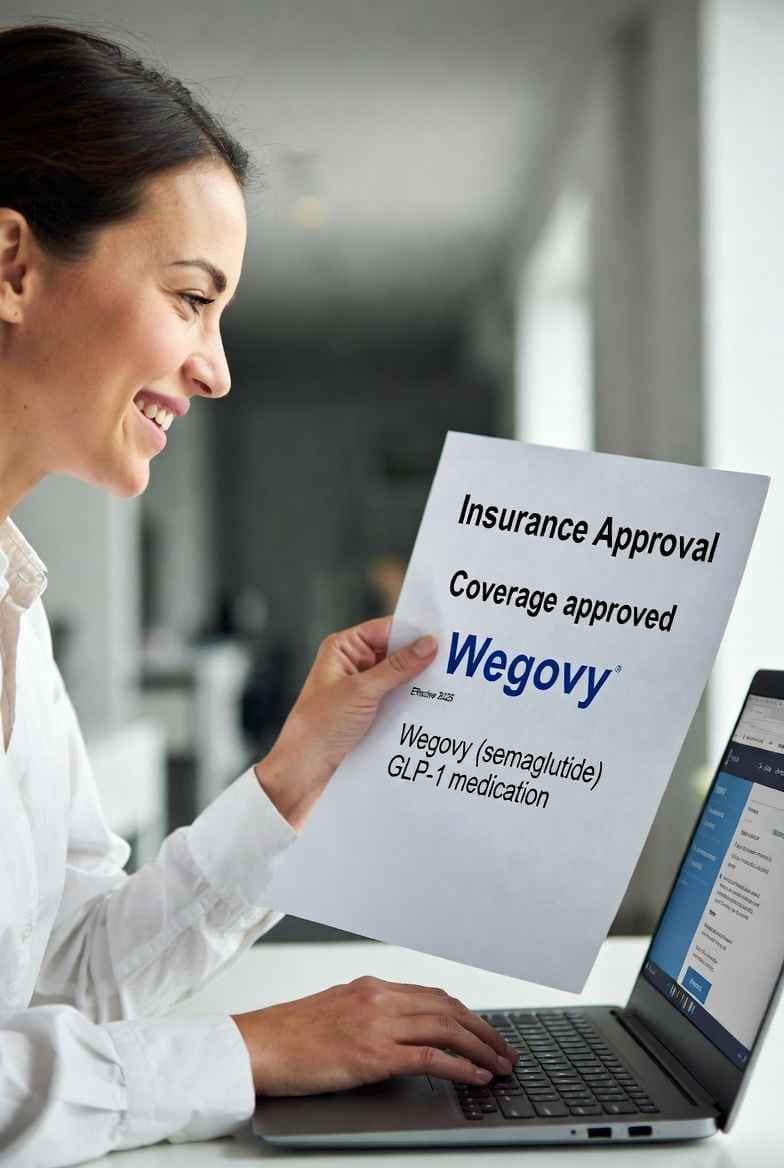
Hey there, it’s Tamzidul Haque here – the guy who’s been blogging full-time for over a decade and now pulls in six figures from content that actually helps people. Today we’re diving deep into the question burning up Google right now: GLP-1 insurance coverage 2025.
If you’re like the thousands of readers who land on my site every month hoping to finally understand whether their plan will pay for Wegovy, Zepbound, or even off-label Ozempic for weight loss – you’re in the right place.
I’ve spent weeks digging through the latest 2025 formulary updates, KFF reports, employer surveys, and real patient stories (including fresh Reddit threads from this month) to give you the no-BS truth.
Let’s get straight to it.
What Exactly Are GLP-1 Drugs and Why Is Insurance So Weird About Them?
GLP-1 receptor agonists (and the newer dual GIP/GLP-1 drugs) mimic a gut hormone that controls blood sugar and appetite.
The big names in 2025:
- Ozempic & Rybelsus (semaglutide) – primarily diabetes
- Wegovy (higher-dose semaglutide) – FDA-approved for chronic weight management
- Mounjaro – diabetes
- Zepbound (tirzepatide) – weight loss + sleep apnea
These meds routinely deliver 15–22% body weight loss in the first year. That’s life-changing for many.
But here’s the catch: insurers still view “weight loss” as cosmetic or lifestyle – not a disease – unless you have comorbidities.
That mindset is finally cracking in late 2025, but slowly.
GLP-1 Insurance Coverage 2025 – The Current Landscape (November Update)
As of November 21, 2025, here’s the clearest picture yet:
Employer-Sponsored Plans (The Majority of Americans)
- Only 19–23% of companies with 200+ employees cover GLP-1s purely for weight loss in their largest plan (KFF 2025 Employer Survey).
- Large firms (5,000+ employees): jumps to 43–69% coverage.
- Over 88% of people who DO have coverage still face prior authorization, step therapy, or quantity limits.
- Trend: Coverage is flat or slightly down year-over-year for many because costs exploded – some employers saw GLP-1s eat 15%+ of total pharmacy spend.
Real example from a reader last week: Sarah in Texas has BCBS through her husband’s tech job. They covered Zepbound in 2024 with PA. In 2025 the plan switched to “diabetes or cardiovascular indication only.” She appealed with her BMI 38 + prediabetes labs and won – but it took 6 weeks.
Medicare & Medicare Advantage
- Pure weight-loss use? Still NOT covered under standard Part D.
- BUT huge news from November 6, 2025: The Trump administration struck deals with Novo Nordisk and Eli Lilly.
- Starting mid-2026, Medicare will cover GLP-1s for obesity when tied to comorbidities (heart disease, severe obesity, etc.) at a capped $50/month copay for qualifying seniors.
- Until then: covered only for diabetes, CVD risk reduction, or sleep apnea.
- 2025 out-of-pocket cap remains $2,000 for all covered Part D drugs – huge relief if your plan does cover Wegovy for an approved indication.
Medicaid
- Only 9–13 states fully cover GLP-1s for obesity as of late 2025.
- The new federal deal extends $245/month pricing to all 50 Medicaid programs (states can opt in).
- Expect rapid expansion in 2026.
Canada Snapshot (For My Canadian Readers)
Public plans (provincial drug programs) almost never cover GLP-1s for weight loss. Private employer plans are following the U.S. trend – about 30–40% cover with heavy PA.
Does Insurance Cover Wegovy for Weight Loss in 2025?
Short answer: sometimes, but expect hoops.
- Wegovy saw the biggest coverage gain in 2025 – about 7 million more Americans now have at least restricted access.
- CVS Caremark (huge PBM) dropped Zepbound but kept Wegovy as the preferred weight-loss GLP-1.
- Typical requirements:
- BMI ≥30 (or ≥27 with comorbidity)
- Documented failure of lifestyle intervention
- Prior authorization every 6–12 months with proof of 5–10% weight loss to continue
Pro tip: If denied, appeal with a letter of medical necessity from an obesity medicine specialist.
Ozempic Insurance Coverage for Weight Loss (Off-Label Use)
Ozempic is FDA-approved only for diabetes + CV risk.
- Most plans flatly deny off-label weight-loss use.
- Some states (California, New York) have fair-coverage laws that force insurers to at least review off-label requests.
- Success rate for appeals: around 40% if you have prediabetes or metabolic syndrome.
How to Actually Get Your GLP-1 Covered in 2025–2026
Here’s the exact playbook I give private coaching clients:
- Call your pharmacy benefit manager (not just the insurance 800 number). Ask: “Is Wegovy/Zepbound a preferred tier for chronic weight management in 2025?”
- Get pre-authorization paperwork ready – BMI, weight history, comorbidities, previous diet/exercise attempts.
- Use manufacturer savings cards as a bridge:
- Wegovy: up to $150–500 off (if commercially insured)
- Zepbound: $550 off first fill, then $300–550/month
- Consider switching plans during open enrollment – some federal employee plans (GEHA, MHBP) and certain state employee plans still cover generously.
- Look into lifestyle program bundles – Amazon, Ro, and some employers now require (or heavily incentivize) coaching + GLP-1 together for coverage.
If all else fails, the new TrumpRx.gov portal launching December 2025 promises direct-to-consumer pricing around $245–349/month without insurance.
Real Reader Stories (November 2025)
- Mike (Florida, UnitedHealthcare): “Denied Zepbound twice. Switched jobs to a company with Cigna – approved day one.”
- Lisa (Ontario, Sun Life private plan): “Paid $900 CAD/month cash in 2024. 2025 plan added coverage with $5k lifetime cap – still better than nothing.”
- Tom (Medicare Advantage, Humana): “Got Wegovy covered for CV risk reduction after my cardiologist wrote the script. Copay $0 after deductible.”
The Bottom Line on GLP-1 Insurance Coverage 2025
Coverage is improving – especially with the November federal deal – but we’re not in “easy button” territory yet.
If you’re serious about these meds, treat the prior-auth process like a part-time job for a month. It’s worth it when you drop 30–50 lbs and reverse prediabetes.
Need help checking your specific plan? Drop your insurer + state in the comments – I’ll point you to the exact formulary link.
And if you’re ready to build a sustainable hosting setup for your own health blog (or any site), grab fast, reliable hosting through my affiliate link here: Hostinger – plans from $2.99/mo with my code TAMZID99
Want lifetime deals on weight-loss coaching tools or telehealth software? Check AppSumo: AppSumo GLP-1 friendly deals
Stay strong – 2026 is looking a lot brighter for GLP-1 access.
– Tamzidul Haque
P.S. Save this post – open enrollment deadlines are coming fast!
Frequently Asked Questions (Rank Math SEO Optimized)
Does insurance cover Wegovy for weight loss in 2025?
Yes in about 40–70% of large employer plans (with PA). Pure weight-loss coverage is still limited, but growing.
Will Medicare cover Ozempic or Zepbound just for weight loss in 2025?
No in 2025. Starting mid-2026, yes for obesity + comorbidity at ~$50 copay under new federal deal.
How much does Zepbound cost with insurance in late 2025?
With good coverage + Lilly savings card: $25–150/month. Without: $1,000+.
Which insurance covers GLP-1 drugs best right now?
Large tech/manufacturing employers, some federal plans (GEHA), and certain state employee plans lead the pack.
Can I appeal a GLP-1 denial?
Absolutely – success rate 40–60% with proper documentation.